Best Practices
QR Code Inventory Tracking Setup Guide for Small Teams
Step-by-step QR code inventory tracking setup — catalog assets, generate and place labels, train scanning workflows, and track everything live.
Looking to simplify your asset tracking with QR codes? You’re in the right place. Whether you’re managing equipment, office supplies, or shared gear, QR code-based tracking can save hours — and headaches.
This guide will walk you through setting up a QR inventory system from scratch, and how to make it work for any team.
If you want a curated set of related posts (setup, labeling, comparisons), see the QR Code Inventory Tracking Hub.
If you’re brand new to asset tracking, start with the longer guide: QR Code Asset Tracking Guide.
🔍 Why Use QR Codes for Inventory?
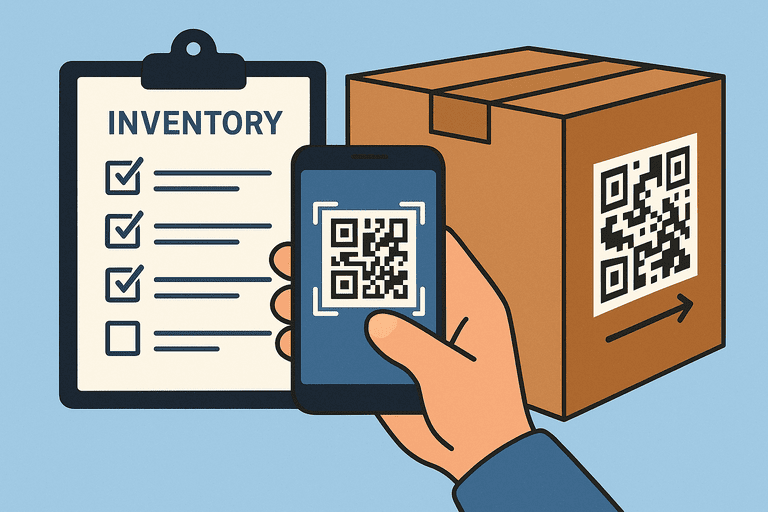
QR codes bridge the gap between physical assets and digital tracking. They make every item instantly scannable — even from a mobile device.
Benefits:
- Quick check-in/check-out
- Easy identification and assignment
- Real-time access to item details
- No need for expensive hardware or RFID setups
“We stuck QR labels on everything — now no one ever asks where the projector is.”
✅ Step-by-Step: Setting Up a QR Inventory System
1. Catalog Your Assets
Start with a digital list of all equipment, gear, tools, or items you want to track. Add details like:
- Asset name
- Category / location
- Serial number or internal ID
- Purchase date / warranty / notes
If you’re setting up tracking for a school or university (shared rooms, many borrowers, frequent handovers), see: Asset Tracking in Educational Institutions (Schools & Universities).
2. Generate Unique QR Codes
Each item should have a unique QR code linked to its digital profile.
- Use an inventory tool with built-in QR code generation (like InvyMate)
- A feature like QR code asset tracking helps you keep each label tied to one asset record
- Make sure each code links to a live, trackable entry
- Download and export as printable labels (PDF, PNG, etc.)
3. Print & Apply Labels
Use standard label printers or sheets. Tips:
- Place labels in visible, accessible areas
- Avoid curved or textured surfaces
- For electronics: apply near ports or base
If you want to customize what appears on the label (asset ID, location, owner), see: QR label configuration.
To avoid label failures (peeling, fading, unscannable codes), follow these durability and placement guidelines: Tagging Best Practices: QR Code Placement, Durability, and Size.
4. Train Your Team to Scan and Assign
Make it second nature:
- Use mobile devices to scan QR codes
- Check item status: in use / available
- Assign items to people, rooms, or sessions
- Add optional notes for context
No app switching, no manual logging. One scan is enough.
5. Track Everything in Real Time
A proper QR inventory system should:
- Show who has what (and for how long)
- Provide item history and usage logs
- Alert you when things go missing or overdue
To keep overdue items from becoming “everyone assumed someone handled it”, add escalation rules for reminders: Inventory Notifications and Escalation Workflows.
💡 Pro Tips
- Laminate your labels if gear is handled frequently
- Group QR labels by category (IT, AV, Facilities)
- Add item photos to reduce confusion
- Bulk scan during audits for fast verifications
If you want a repeatable audit flow (what to verify per item and how often), use: Inventory Audit Checklist: What to Verify and How Often.
🚀 InvyMate: QR Tracking, Built for Teams
InvyMate makes it easy to set up and manage your QR inventory system — no extra tools needed.
With InvyMate you can:
- Generate QR codes for every item automatically
- Scan via mobile or desktop
- Assign items instantly to teammates or sessions
- View real-time status and usage history
- Track across multiple locations
“We replaced spreadsheets and chaos with scannable clarity.”
🎯 Final Thoughts
QR code inventory tracking is fast, flexible, and scalable.
Whether you're managing gear for 5 people or 50, you deserve a system that works with you — not against you.
Related reading
- How QR Code Tagging Revolutionizes Inventory Tracking
- Inventory Tracking for Hybrid and Remote Teams: What Actually Works
- Excel vs InvyMate: Why Spreadsheets Fail at Asset Tracking
- InvyMate Review 2025: Office Inventory Tracking with QR
- Why Spreadsheets Fail at Asset Tracking (And What to Use)
Methodology
- This page was reviewed against adjacent InvyMate workflow pages and the external references listed below.
- Recommendations are written for practical asset-tracking operations and are intended to stay specific about workflow scope, tradeoffs, and implementation boundaries.
Related Standards and Guidance
- GS1 Digital Link Standard · GS1
- What NFC Does · NFC Forum
Try InvyMate
Start tracking assets with QR codes and scheduled audits.