Asset Lifecycle Management Hub
Lifecycle management turns inventory from a static list into a system you can budget, maintain, and audit.
This hub connects planning, maintenance, condition tracking, depreciation, and reporting so your team can make better decisions across the full asset lifecycle.
Start here
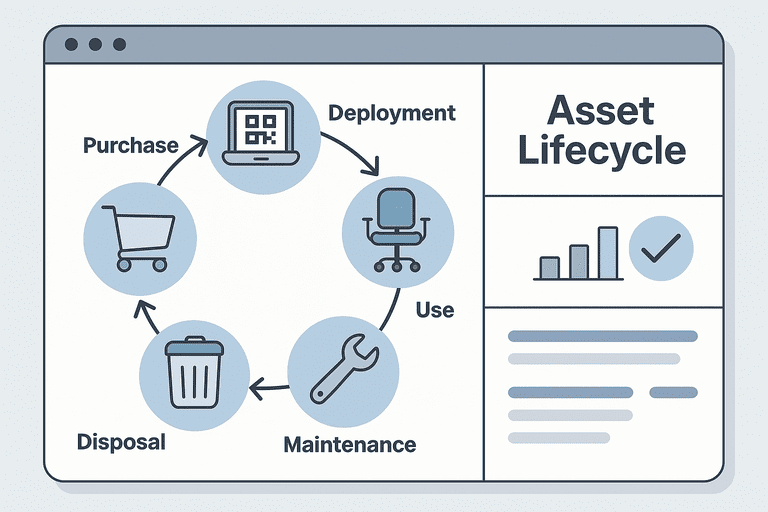
The Anatomy of an Asset Lifecycle: From Purchase to Disposal
A clear breakdown of the asset lifecycle—from purchase to disposal—to improve planning, maintenance decisions, and compliance.
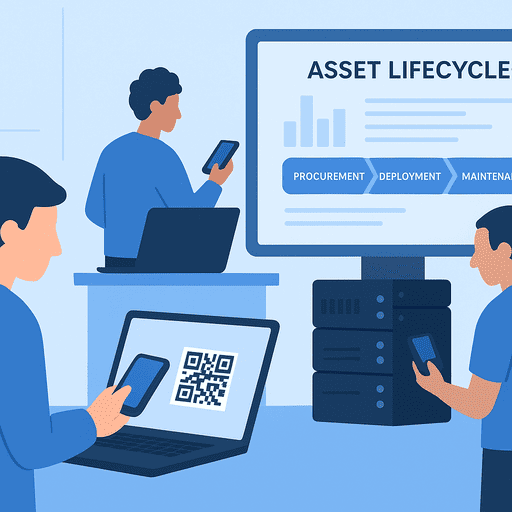
Best Practices for IT Asset Lifecycle Management Guide
IT asset lifecycle best practices—from procurement to disposal—covering tracking, maintenance, warranties, and compliance.
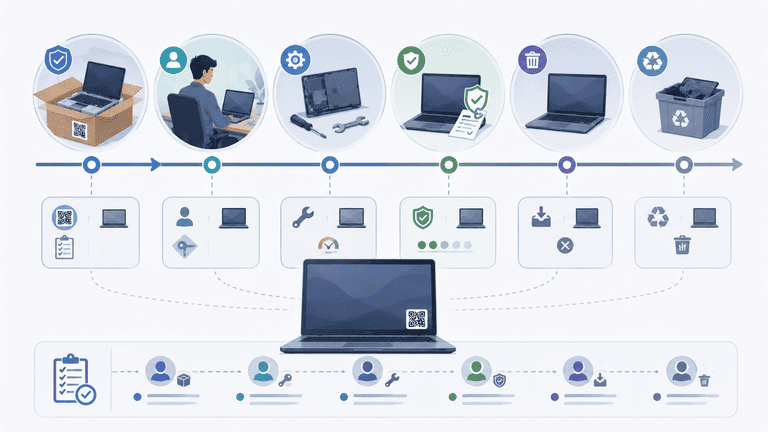
Asset Lifecycle Records: Warranty, Repair, and Status
Track warranty dates, repair history, condition, status, and disposal evidence so small teams can make cleaner lifecycle decisions.
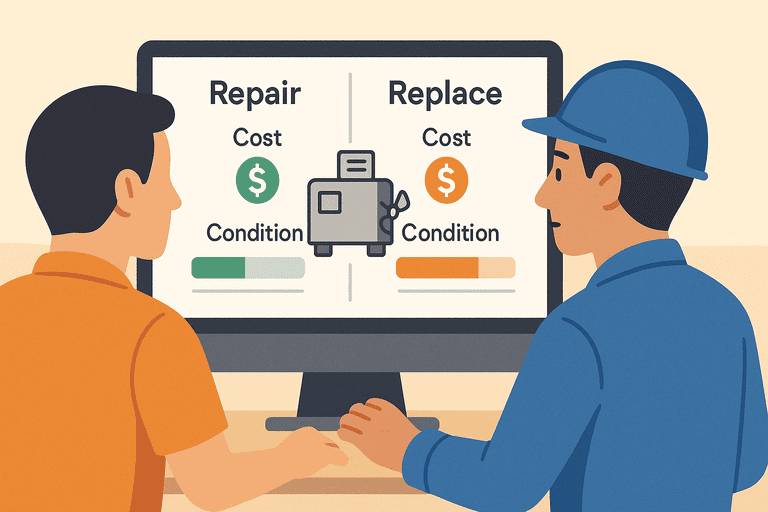
Condition Tracking: When to Repair vs Replace for Teams
Use condition tracking to decide when repairs make sense—and when replacement lowers risk, downtime, and total lifecycle cost.
Lifecycle Foundations
Understand the lifecycle stages and how to manage them consistently.
The Anatomy of an Asset Lifecycle: From Purchase to Disposal
A clear breakdown of the asset lifecycle—from purchase to disposal—to improve planning, maintenance decisions, and compliance.
Best Practices for IT Asset Lifecycle Management Guide
IT asset lifecycle best practices—from procurement to disposal—covering tracking, maintenance, warranties, and compliance.
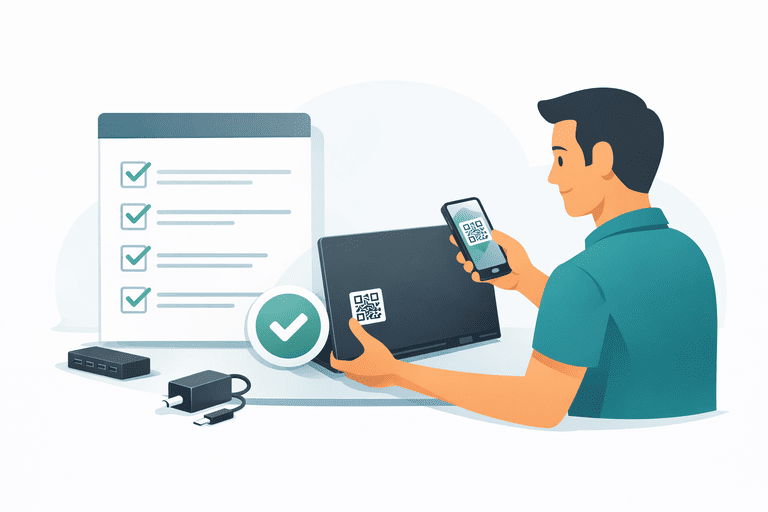
IT Asset Audit Checklist: 60-Minute Runbook for Teams
Use this 60-minute IT asset audit runbook for small teams to verify ownership, close return gaps, and keep laptop and peripheral records audit-ready.
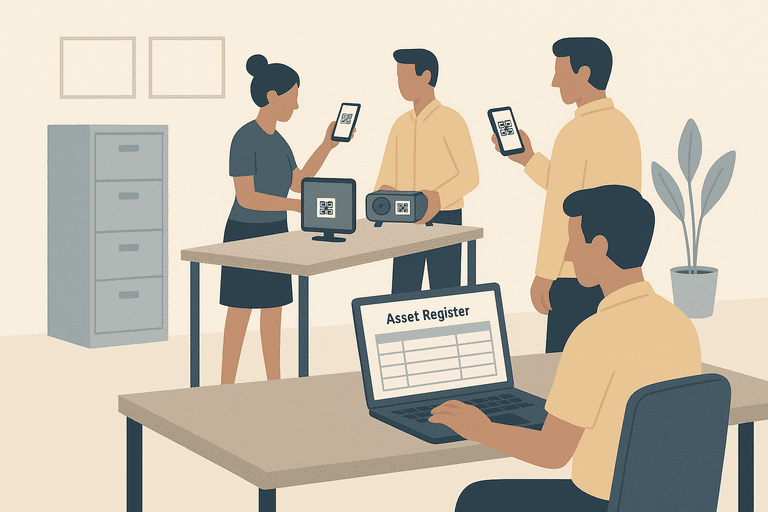
How to Conduct a Fixed Asset Register for Small Businesses
Step-by-step guide for small businesses to build a fixed asset register that supports audits, depreciation, and accountability.
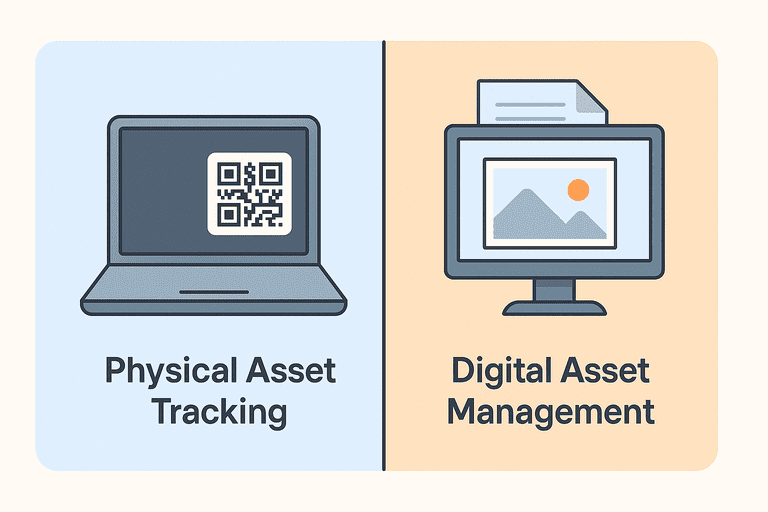
Physical vs Digital Asset Tracking: Key Differences Guide
Learn the difference between physical asset tracking and digital asset management, and when each approach makes sense.
Maintenance & Condition
Use condition signals and schedules to reduce downtime and surprises.
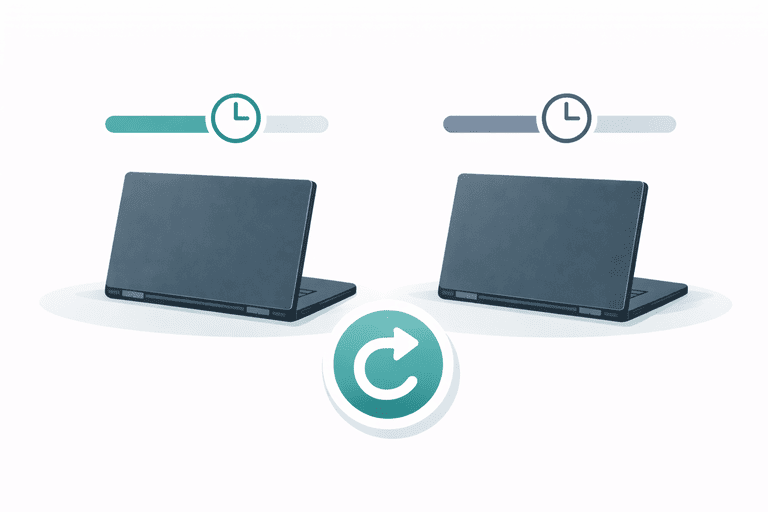
Laptop Refresh Cycle Policy: 3-Year vs 4-Year Guide
A practical laptop refresh cycle policy for small IT teams: when 3 years beats 4, early replacement triggers, and templates for policy and tracking.
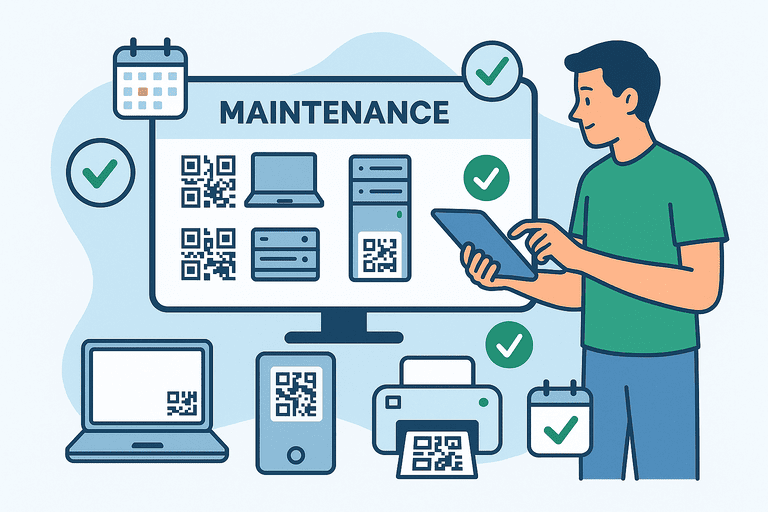
IT Equipment Maintenance Schedule Template for Small Offices
Use this equipment maintenance schedule template for IT and office equipment to cut downtime, assign owners, and keep recurring tasks on track.
Asset Lifecycle Records: Warranty, Repair, and Status
Track warranty dates, repair history, condition, status, and disposal evidence so small teams can make cleaner lifecycle decisions.
Condition Tracking: When to Repair vs Replace for Teams
Use condition tracking to decide when repairs make sense—and when replacement lowers risk, downtime, and total lifecycle cost.
Valuation, Depreciation, and Evidence
Keep financial reporting and audit evidence aligned with real-world usage.
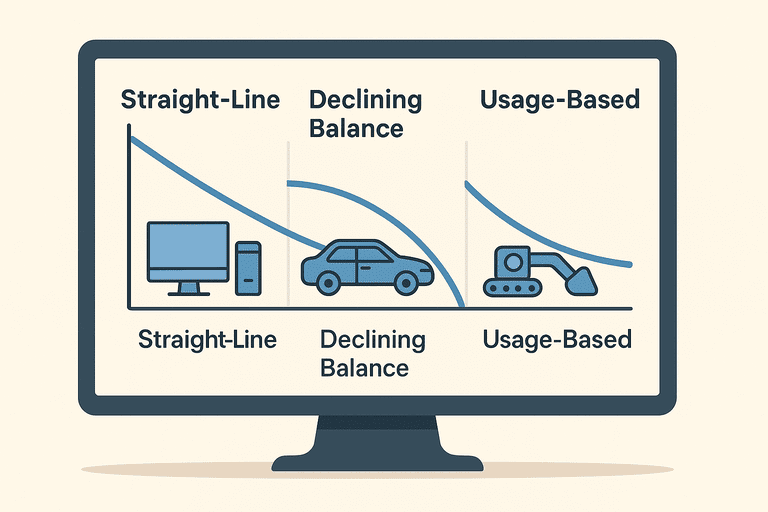
Asset Depreciation Methods for IT and Office Equipment
Use straight-line, declining balance, and usage-based depreciation methods to align IT and office equipment reporting with refresh and replacement planning.
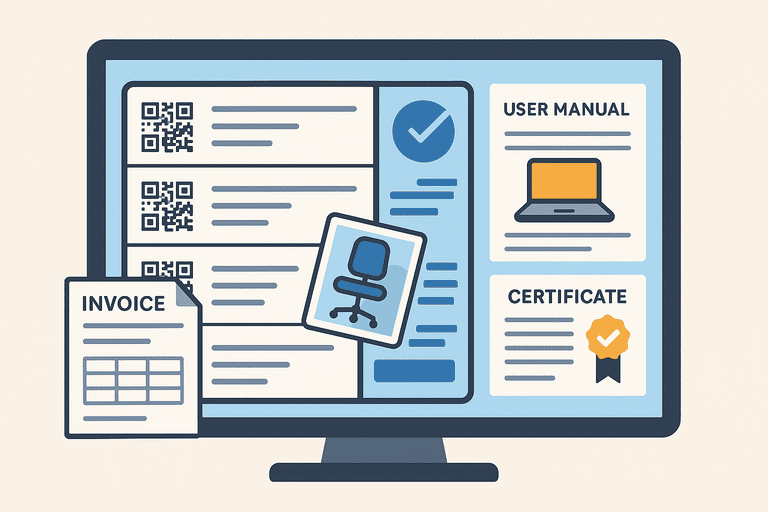
Asset Record Imaging and Document Attachments
Why attaching photos and documents to asset records improves audits, traceability, and insurance readiness.
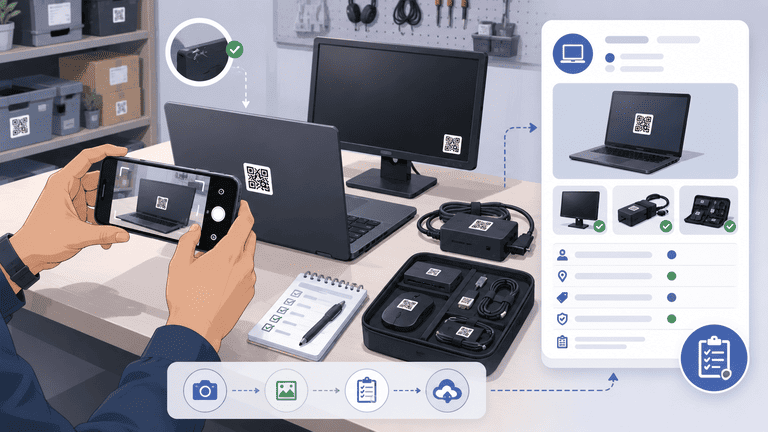
Photo-Based Asset Tracking for Small Teams
Use photos in asset tracking records to identify equipment, document condition, support audits, and confirm complete returns.
Reporting & Analysis
Structure categories and choose the right reporting format for decisions and audits.
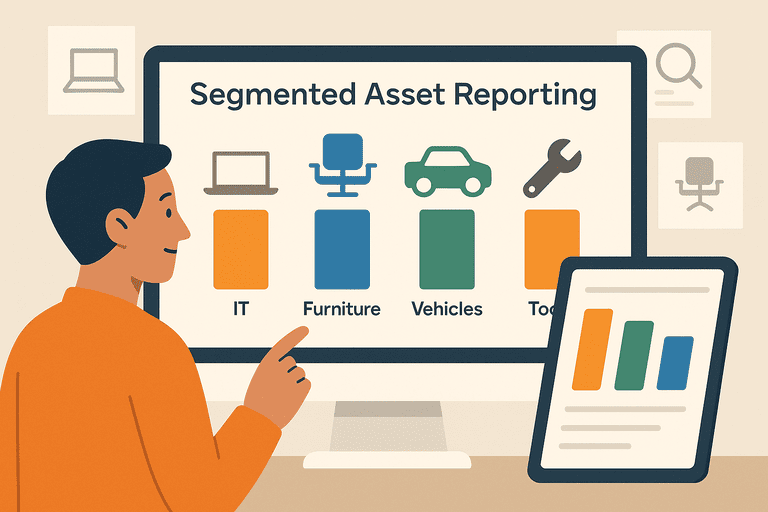
Asset Class Segmentation for Reporting: A Practical Guide
How to segment asset classes for cleaner reporting, simpler audits, and more consistent category data across IT, operations, and finance.
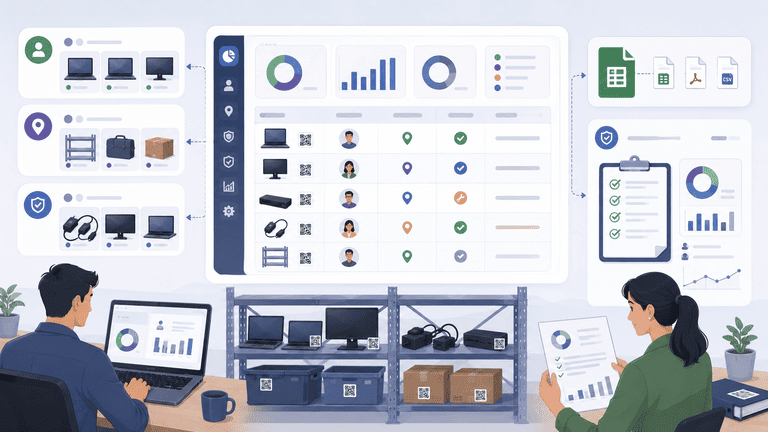
Asset Reporting and Export Workflows for Small Teams
Build practical asset reporting and export workflows for audits, budgeting, overdue returns, CSV exports, and management visibility.
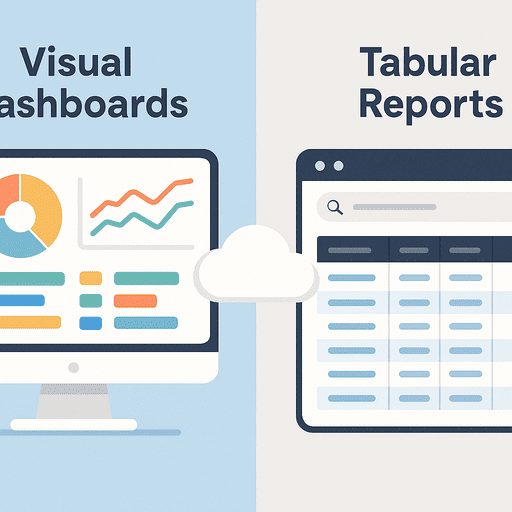
Visual Dashboards vs Tabular Reports: When to Use Each
When dashboards outperform tables—and when detailed reports work better for audits, accuracy, and operational decisions.
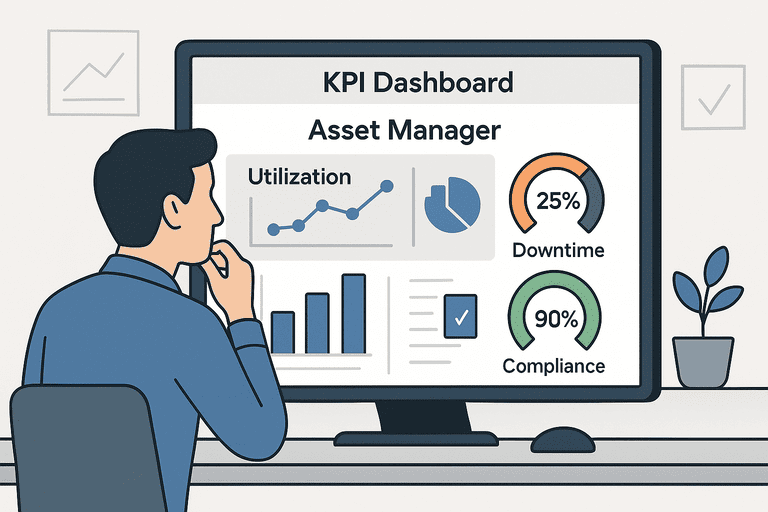
Asset Management KPI Dashboard: Examples for Small IT Teams
Build an asset management KPI dashboard for a small IT team with metrics for verification, ownership, returns, maintenance, audits, and refresh planning.
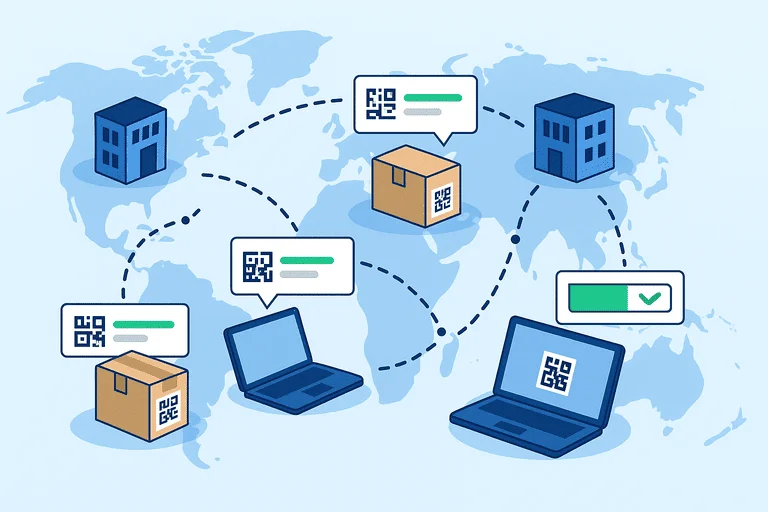
Multi-Location Asset Transfers: Processes That Scale
Scalable processes for transferring assets between locations—custody records, approvals, and clear chain of ownership.
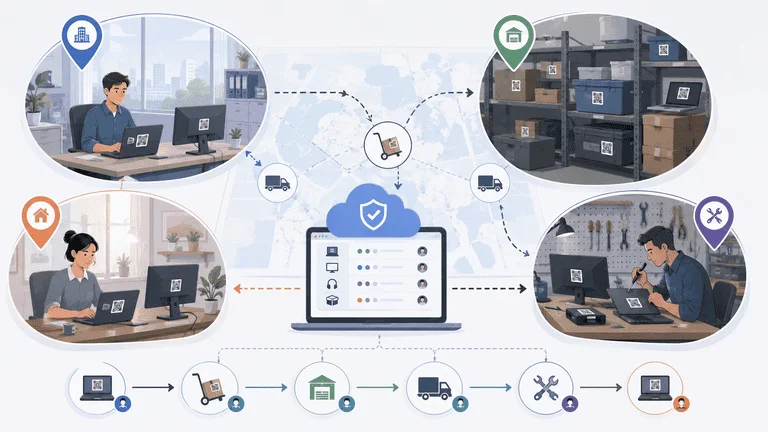
Multi-Location Asset Tracking for Small Businesses
A practical multi-location asset tracking workflow for small businesses managing offices, storage rooms, remote employees, and location changes.
Try InvyMate
Start tracking assets with QR codes and scheduled audits.